
Hyper-vigilance as a Lifestyle: When Safety Becomes Exhaustion
Do you ever feel like your body is constantly scanning for danger, even when everything seems fine? Like your mind is always “on,” your muscles tense, and even small surprises feel overwhelming? If so, you’re not imagining it — hypervigilance is real, and it can sneak into every corner of life. It’s more than being cautious or alert; it’s a nervous system that has learned to stay in survival mode, long after the immediate threat has passed.
Hyper-vigilance often shows up subtly at first: checking doors twice, overanalyzing texts, holding your breath in social situations. Over time, it can manifest as chronic fatigue, emotional irritability, or feeling permanently “on edge.” For those who have experienced trauma, high-pressure environments, or prolonged stress, hyper-vigilance can feel like a permanent companion — exhausting, frustrating, and isolating.
This article explores what hyper-vigilance really is, why it develops, and how it affects your mind, body, and relationships, and provides practical strategies to gradually retrain your nervous system.

What Hyper-vigilance Really Is
Hyper-vigilance is your nervous system’s survival mode in overdrive. It’s the body and brain scanning constantly for threats — real or perceived — as if danger is around every corner. Neurologically, this involves the amygdala, the brain’s alarm system, sending signals to flood the body with adrenaline and cortisol. Your sympathetic nervous system ramps up, preparing you to fight, flee, or freeze.
Even when your environment is safe, your body remains on high alert. You may notice:
- Constant tension in your shoulders, jaw, or neck
- Quick emotional reactions to minor events
- Trouble relaxing or sleeping
Hyper-vigilance is not a flaw — it’s a learned adaptation. The goal isn’t to “erase” it but to understand and gradually regulate your nervous system.
The Physical and Emotional Toll
Living constantly “on” has consequences beyond just feeling stressed. The physical toll can include chronic fatigue, digestive issues, headaches, and insomnia. Emotionally, hyper-vigilance can make you irritable, anxious, or emotionally numb.
Over time, this constant alertness can erode your capacity for joy, creativity, and spontaneity. You may notice that:
- You avoid social events because they feel overwhelming
- Even small surprises trigger tension or anxiety
- You feel disconnected from your own body
Understanding this toll is the first step toward giving yourself permission to slow down without guilt.
How Trauma and Stress Prime Hyper-vigilance
Trauma, bullying, early emotional neglect, or prolonged stress can prime your nervous system for hypervigilance. Your body learns that staying alert equals survival. Over time, this response generalizes: the world begins to feel unsafe even when it’s not.
Examples include:
- A child who had to care for siblings early becomes hyper-aware of adult emotions
- Experiencing repeated workplace microaggressions primes the system for constant threat scanning
- Chronic exposure to unpredictable stressors (like volatile family dynamics) keeps the body in fight-or-flight
Your nervous system adapts to these conditions — but sometimes it stays in overdrive long after the danger has passed, making everyday life exhausting.
Recognizing Your Triggers
Hyper-vigilance doesn’t happen in isolation. Certain environments, social situations, or even digital cues can trigger your nervous system. Common triggers include:
- Social media posts that feel judgmental or critical
- Sudden noises, crowded spaces, or unexpected interruptions
- Texts, emails, or conversations where you anticipate conflict or rejection
Noticing patterns in triggers helps you understand your nervous system’s responses without self-blame.

Micro-Habits That Reinforce Hyper-vigilance
Daily behaviors often reinforce hyper-vigilance without you realizing it. These micro-habits include:
- Re-checking locks, emails, or messages multiple times
- Over-planning or over-preparing for simple tasks
- Constantly scanning rooms or people for hidden threats
Over time, these habits create feedback loops, keeping your nervous system in high alert. Recognizing them is the first step toward gentle rewiring.
The Role of Anxiety and Overthinking
Hyper-vigilance is fueled by a loop of anxiety and overthinking. The brain predicts danger, your body reacts, and your mind analyzes endlessly, asking:
- “What could go wrong?”
- “Did I miss something?”
- “Are they mad at me?”
This loop keeps your nervous system primed and prevents relaxation, even in safe environments. Understanding the role of overthinking allows you to interrupt the cycle with targeted strategies.

The Impact on Relationships
Being on constant alert affects friendships, romantic relationships, and family dynamics. Hyper-vigilance can show as:
- Overanalyzing partners’ words or tone
- Checking in repeatedly for reassurance
- Avoiding intimacy because vulnerability feels unsafe
It’s not a character flaw — it’s a nervous system response seeking safety. Awareness allows for communication strategies that protect both your nervous system and your relationships.
Hyper-vigilance and Work-Life Balance
At work, hyper-vigilance can feel like “being prepared for everything.” You may:
- Overcheck emails and messages
- Stay late to avoid mistakes
- Feel exhausted but unable to rest
This constant alertness burns energy that should go toward recovery, creating a cycle of chronic stress and burnout.

How Safety Cues Can Rewire Your Nervous System
The brain can learn to distinguish safe from unsafe cues, helping reduce hyper-vigilance over time. Safe cues include:
- Predictable routines
- Supportive relationships
- Calm, regulated environments
Integrating safety signals regularly teaches the nervous system that you can relax without danger.
15 Therapist-Approved Ways to Begin Retraining Hyper-vigilance

1. Body Scanning and Grounding
Body scanning is about reconnecting with your body without judgment. Hyper-vigilance often disconnects you from physical sensations because your nervous system is preoccupied with scanning the environment for threats. Practicing body scans regularly helps your system recognize safe physical signals and gently releases tension.
Try:
- Sit quietly and focus on your feet or hands, noticing sensations like warmth, tingling, or pressure.
- Take slow, measured breaths while scanning your body from head to toe.
- Notice tension points — like shoulders, jaw, or chest — and consciously breathe into them. Imagine giving these areas permission to relax.
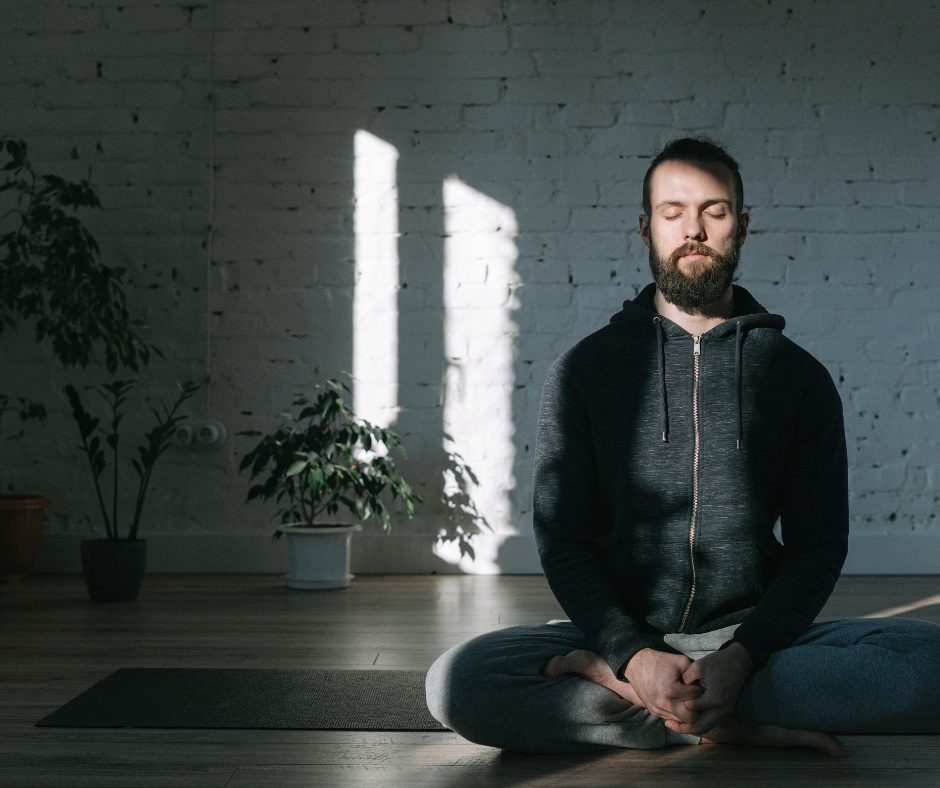
2. Scheduled Safety Breaks
Taking intentional breaks is not laziness — it’s essential for retraining your nervous system. Mini-breaks reinforce that rest is safe and that the world won’t fall apart if you pause. These micro-pauses help the body shift out of chronic alertness.
Ideas include:
- Five-minute walks every few hours to let your body move and reset.
- Quiet tea or hydration breaks, fully noticing the sensations of taste, temperature, and aroma.
- Short stretching sessions at your desk, paying attention to areas that feel stiff or tense.
3. Digital Hygiene
Social media, email, and messaging can become constant triggers for hyper-vigilance. Digital hygiene involves setting boundaries that protect your nervous system from overstimulation.
Practice:
- Mute or unfollow accounts that provoke anxiety or comparison.
- Set limits for email and messaging, such as checking only twice a day.
- Allocate specific windows for social media scrolling and notice how your body feels before and after.
4. Predictable Routines
Consistency provides your nervous system with signals that the world is safe. When life feels unpredictable, hyper-vigilance spikes. A structured daily routine helps your body anticipate what’s coming next, reducing internal alertness.
Implement:
- Fixed sleep and wake times to support circadian rhythm.
- Meal and snack routines to signal stability and nourishment.
- Planning work or errands in a predictable order so surprises are minimized.

5. Mindful Awareness of Triggers
Hyper-vigilance often feels automatic, but identifying triggers helps create awareness. Noticing what sparks tension allows you to respond rather than react.
Try:
- Journaling or noting in a phone app moments when you feel on edge.
- Recording physical sensations, thoughts, and emotions as they arise.
- Reviewing patterns weekly to identify repetitive triggers and plan supportive strategies.
6. Tactile Grounding Objects
Having a physical object to focus on can remind your nervous system that you’re safe. These tactile cues act as an anchor in moments of high alert.
Examples:
- Smooth stone, fidget, or piece of fabric in your pocket.
- Photo, keychain, or small keepsake that feels comforting.
- Touch or squeeze it when anxiety spikes to redirect attention and calm the body.

7. Breathing Exercises
Hyper-vigilance often includes rapid, shallow breathing that keeps your nervous system in “fight or flight.” Intentional slow breathing signals safety and helps regulate the body.
Practice:
- Box breathing: inhale for 4, hold for 4, exhale for 4, hold for 4. Repeat for a few cycles.
- 4-7-8 breathing before sleep to promote relaxation.
- Pair breathwork with visualizations of safe spaces or calming environments.
8. Safe Social Check-Ins
Connection can feel both necessary and overwhelming for hyper-vigilant individuals. Intentional, safe social interactions provide support without triggering the nervous system.
Ideas:
- Brief phone calls or texts with trusted people.
- Small, low-stimulation meetups with clear boundaries.
- Communicate early if you may need to leave or take a break from social interactions.

9. Movement That Feels Safe
Physical activity helps discharge excess adrenaline and regulate the sympathetic nervous system. The type of movement matters — choose forms that feel safe and enjoyable, not performance-oriented.
Suggestions:
- Walking in nature or quiet neighborhoods.
- Gentle yoga or stretching routines that emphasize breath and mindfulness.
- Dancing at home or moving in ways that feel playful rather than competitive.
10. Journaling Thoughts vs Reality
Hyper-vigilance can make you overanalyze and catastrophize. Journaling allows you to separate perception from reality and notice patterns without judgment.
Practice:
- Write down what your brain warns about in anxious moments.
- Challenge the accuracy or probability of these thoughts.
- Reflect on evidence for and against your fears to cultivate perspective.

11. Limit Caffeine and Stimulants
Stimulants can exacerbate hyper-vigilance by keeping your nervous system in high alert. Reducing intake can calm your system over time.
Tips:
- Replace coffee with herbal tea or decaf alternatives.
- Avoid energy drinks or caffeine after early afternoon.
- Pay attention to subtle increases in tension or jitteriness after consuming stimulants.
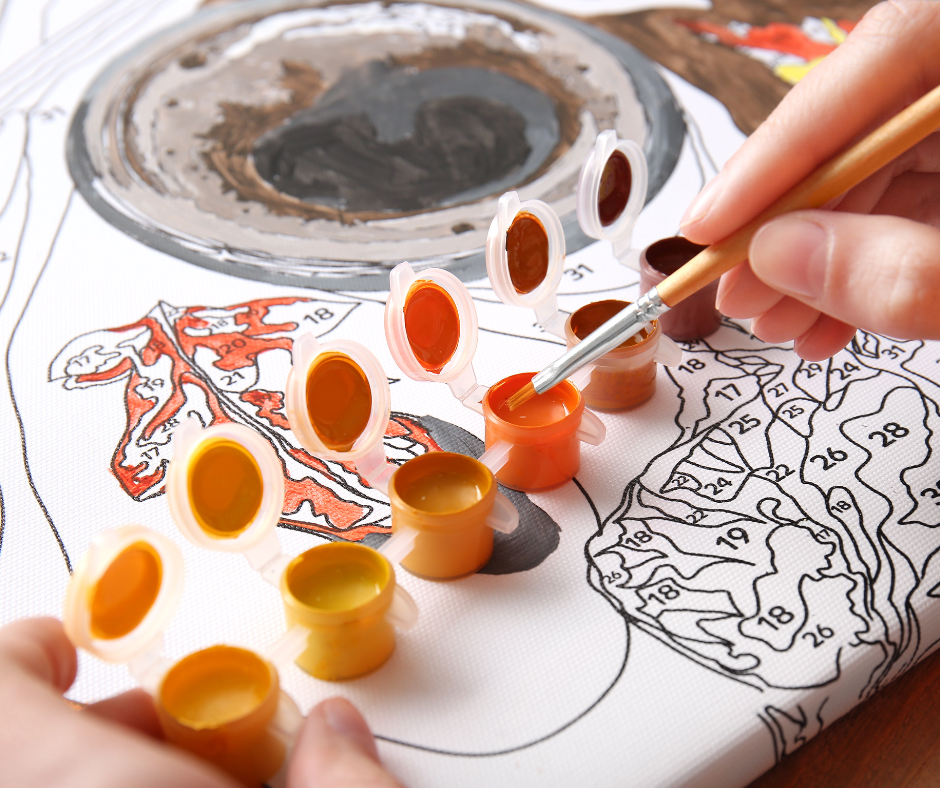
12. Creative Expression
Creative outlets help your nervous system discharge energy safely and engage in pleasurable, non-threatening activity.
Ideas:
- Drawing, painting, or coloring to focus attention and promote flow.
- Music or sound-making instruments to process tension physically and emotionally.
- Writing, poetry, or spoken word to express thoughts without judgment.
13. Progressive Muscle Relaxation
This practice systematically releases tension, signaling to your nervous system that relaxation is allowed.
How-to:
- Pair with slow breathing to enhance relaxation signals.
- Practice daily or several times a week to retrain baseline tension levels.
14. Grounding in the Senses
Engaging the senses brings attention to the present moment, breaking cycles of worry and over-alertness.
Try:
- Name five things you see around you.
- Touch textures, fabrics, or surfaces and notice how they feel.
- Smell scents that feel comforting, like essential oils or tea aromas.
15. Professional Support
Hyper-vigilance is manageable, but working with a trained professional accelerates progress and provides tailored strategies.
Options:
- Trauma-informed therapy to process past events that contribute to nervous system overactivation.
- Somatic experiencing to release trauma stored in the body and restore regulation.
- EMDR or mindfulness-based therapy to retrain the brain’s threat response patterns.
Signs This Might Be You
- Always checking over your shoulder in social situations
- Overplanning and over-preparing for minor events
- Feeling exhausted but wired at the same time
- Overanalyzing words, texts, or social interactions
- Feeling unsafe in familiar places
Reflection Activity
- Journal: Write three situations this week that triggered hypervigilance.
- Body Scan: Note where tension appeared physically.
- Safety Signal: Identify one moment you felt safe, and describe how it felt.
- Action Step: Choose one small strategy from the tips to practice tomorrow.
When to Seek Professional Support
Hyper-vigilance can be exhausting, but it’s manageable with support. A therapist can help you:
- Understand triggers
- Rewire the nervous system through somatic or trauma-informed therapy
- Build daily strategies to reduce chronic alertness
At KMA Therapy, our team supports clients experiencing hypervigilance, anxiety, and nervous system dysregulation with compassion, evidence-based techniques, and trauma-informed care.
💬 Book your free 15-minute discovery call today to explore strategies that can help your nervous system feel safe, reduce constant alertness, and bring calm back to your daily life.


