
Can I Really Be Honest About What I Want Without Hurting Someone?

Lessons on Communication, Insecurity, and Self‑Awareness from Chris Fusco on Love Is Blind Season 10
Reality TV can feel so absurd that it seems detached from everyday life — but sometimes it reflects something deeply human.
Take Chris Fusco from Love Is Blind Season 10. His storyline wasn’t just drama — it brought up really relatable questions about honesty, insecurity, physical attraction, communication, and emotional awareness.
Chris and fiancée Jessica Barrett formed what appeared to be a strong emotional connection in the pods. But once the couple transitioned into the real world back in Ohio, cracks began to show — particularly around physical attraction and lifestyle expectations. Chris shared that he usually dated women who worked out constantly — saying he wanted someone who did Pilates or CrossFit every day — and ultimately said he didn’t feel “it” physically with Jessica. This explanation was widely perceived as hurtful and body‑shaming, which contributed to their split and major fan backlash.
What makes this story stick with viewers isn’t just the drama — it’s the emotional complexity beneath it: how do we communicate honestly about what we want without damaging someone we care about? And what does it say about us when insecurity and poor timing show up in relationships?
Let’s unpack this through a lens of psychology, emotional regulation, and relational health.
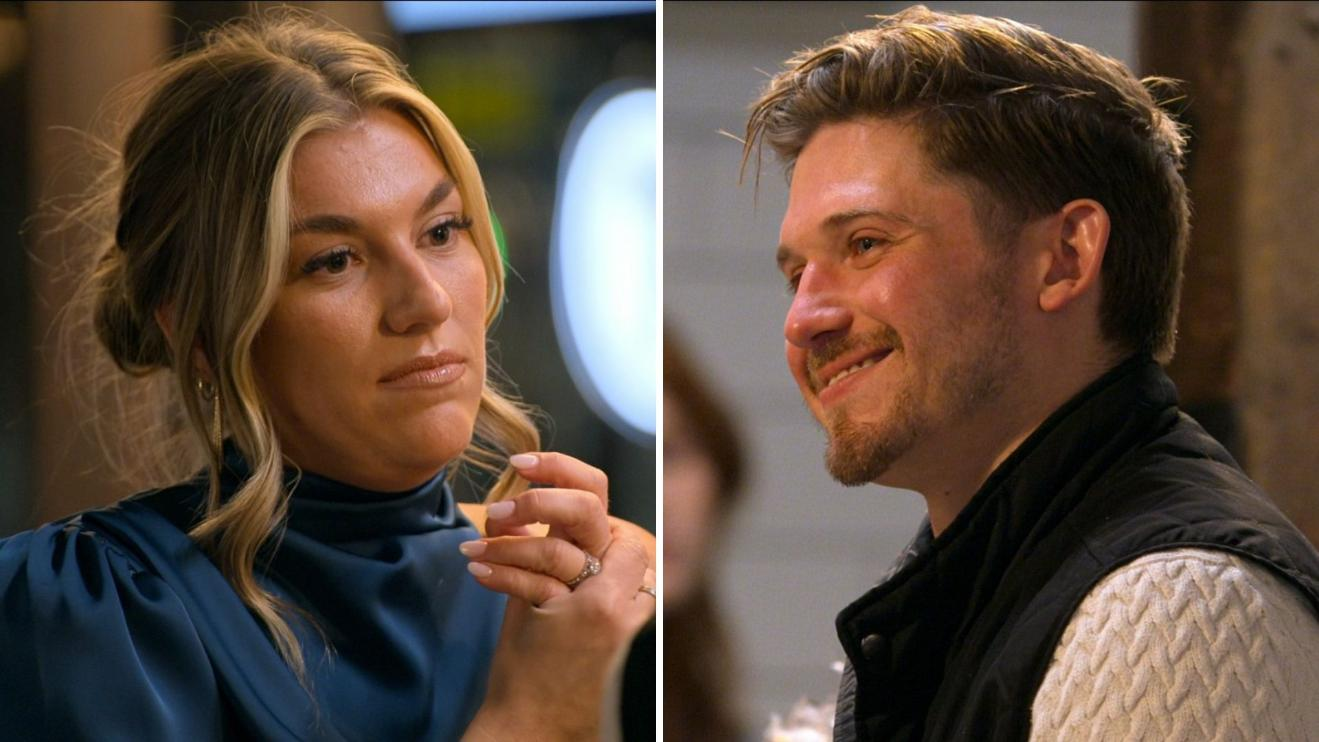
What Really Happened Between Chris and Jessica?
To understand the emotional impact of Chris’s comments, we need to look at the arc of their connection.
Chris and Jessica got engaged in the pods, having formed an emotional bond without ever seeing each other face‑to‑face. After meeting in person and spending time together — including a romantic trip to Mexico — Chris started expressing doubts about physical chemistry once they returned to Ohio. He specifically linked this to her not working out the way his typical type did.
While he later explained his intent wasn’t malicious and that he would have chosen his words more carefully, the way he communicated it still landed as deeply hurtful for Jessica — to the point that she described having a sort of “mental funeral” for the engagement the moment it happened.
After publicly criticizing the physical aspects of their relationship, Chris then pursued another connection during a group mixer and sent direct messages to another cast member shortly after their breakup, actions that further intensified backlash.
These events reveal important relational dynamics: how internal insecurity, external communication, and timing interact in ways that can unintentionally harm others.

The Psychology Behind Chris’s Choices
Understanding why someone might say what they did doesn’t excuse it — but it does help explain the emotional processes at play.
1. Misalignment Between Internal and External Expectations
Chris entered Love Is Blind, a show premised on building emotional connection before seeing physical appearance. When the relationship entered the real world — where physical presence and lifestyle compatibility matter — he struggled to align his internal experience with the external expectations of intimacy and attraction. Humans are wired to seek alignment between emotional connection and physical comfort, and when those don’t sync, internal conflict arises.
2. Emotional Avoidance and Poor Regulation
People don’t always communicate vulnerability well. When anxiety, insecurity, or discomfort peaks, the amygdala (the brain’s threat center) can hijack clarity, leading to impulsive or less empathetic communication. In Chris’s case, this may have looked like trying to “be honest” about his experience — but without sufficient regulation or awareness of Jessica’s emotional stake. This results in emotional harm even if the intent wasn’t malicious.
3. Insecurity and Identity Threats
Many people start relationships with a confident self‑image, but when confronted with someone who challenges that image (e.g., someone more successful, more independent, or with different life priorities), it can trigger insecurity. Some viewers and commenters speculated that Chris’s behavior may have been partially rooted in insecurity about himself — a fear of losing control or feeling inadequate — which then came out as criticism toward Jessica’s body and lifestyle.
4. Communication Without Empathy
Honesty and empathy need to go hand in hand. Saying something is true for you does not automatically make it kind for someone else to hear. Emotional intelligence is not just about expressing your truth — it’s about delivering it in a way that considers the other person’s experience.
These psychological layers show us that deeper emotional work — like recognizing attachment insecurities and improving communication skills — is essential for relationship health.
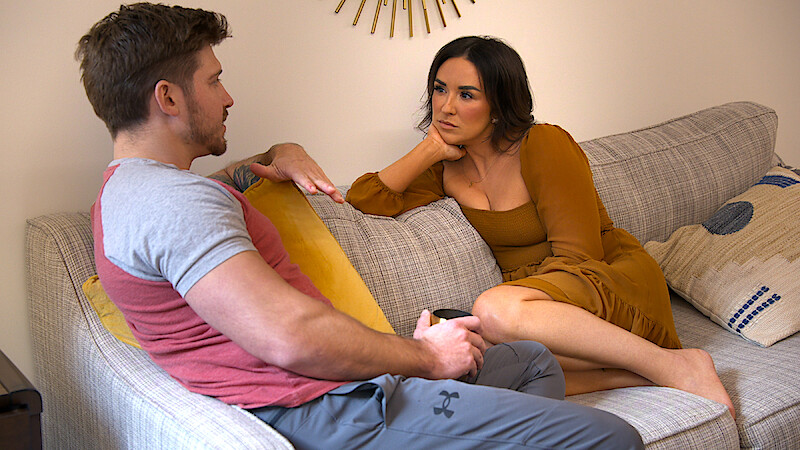
The Nervous System of Trust: Why Small Actions Feel Huge
Even when your partner hasn’t done anything “wrong,” your body can interpret ambiguity as threat. Chris Fusco’s behavior on Love Is Blind Season 10 shows how fast emotions can escalate in high-pressure relationships. When trust feels fragile or expectations are unmet, your amygdala — the brain’s alarm system — fires constantly, keeping you hyper-alert to perceived threats. This hypervigilance isn’t a flaw; it’s a protective strategy. Small pauses in communication, subtle shifts in tone, or changes in attention can feel monumental:
- Reading too much into a delayed text
- Feeling hurt when plans shift unexpectedly
- Interpreting neutral comments as criticism
Your nervous system reacts automatically. Even when you know logically that your partner is acting with care, your body responds as if danger is present. Understanding this mechanism is key to creating space for calm and thoughtful responses instead of impulsive, anxiety-driven reactions.
When Personal History Meets Present Stress
Jealousy, suspicion, and over-monitoring rarely emerge from thin air. They are often echoes of past experiences — moments when love felt conditional, mistakes led to shame, or emotional closeness was inconsistent. In high-stakes or emotionally charged situations, like Chris Fusco navigating the pods and social pressures on Love Is Blind, old patterns can fully activate, making even minor behaviors feel threatening.
Consider how your early environment might influence current relational experiences:
- Did you have to earn approval or affection as a child?
- Were mistakes met with punishment or withdrawal?
- Did emotional unpredictability teach your nervous system to stay alert constantly?
These experiences can create a chronic state of vigilance, which shifts your energy from connection to monitoring. You may feel exhausted, emotionally depleted, or uncertain whether your reactions are valid or disproportionate. Recognizing this pattern is not about blaming yourself — it’s about understanding your system and learning strategies to calm it.

Why Comparison Intensifies Suspicion
Social comparison can fuel distrust even in healthy relationships. Watching others’ lives — especially through reality TV, social media, or peers — can heighten anxiety about your own relationship. Chris Fusco’s storyline shows how external judgment and public scrutiny can amplify insecurity:
- Comparing your relationship timeline to others’ “perfect” experiences
- Feeling your partner “should” act a certain way based on cultural or social expectations
- Interpreting neutral or private moments as evidence of inadequacy or deception
Your nervous system interprets these comparisons as potential threats, triggering hypervigilance and emotional reactivity. By noticing how these patterns arise, you can start to separate perception from fact, reducing unnecessary stress and helping you engage with your partner more openly and compassionately.
16 Therapist‑Approved Ways to Navigate Your Needs Without Harming Others
Below are strategies grounded in relational and nervous system science — designed for anyone who has struggled with mismatched desires, fear of hurting someone, or difficulty communicating inner conflict in a compassionate way.

1. Identify What You’re Really Feeling Before You Speak It
Often, we confuse reactions with emotions. Before stating your need, pause to determine whether you’re feeling:
- Fear
- Insecurity
- Mismatch of values
- Physical attraction differences
- Anxiety about vulnerability
Naming the exact emotion makes your communication clearer and less reactive.
2. Separate Intent From Impact
You can mean well and still hurt someone. Acknowledge both:
- “My intention is not to hurt you…”
- “But I see how what I said caused pain.”
This validates both parties.
3. Balance Honesty With Empathy
Honesty should not be blunt force. Think about:
- Timing
- Environment
- Empathy
For example, “I need to talk about something important” is kinder than launching into criticism.

4. Reflect on Your Attachment Patterns
Attachment theory helps explain why some people fear losing connection so much that they hide their true feelings. Understanding your attachment history can help you:
- Notice triggers
- Manage anxiety
- Communicate more securely
5. Regulate Your Nervous System First
Before difficult conversations, ground your body:
- Deep breathing
- Progressive muscle relaxation
- Grounding touch
A regulated system communicates calmer and clearer.
6. Practice Vulnerable Statements
Instead of accusatory language, try vulnerability:
- “I feel uncertain…”
- “I’m scared to hurt you…”
Vulnerability invites connection, not defensiveness.

7. Beware of Harsh Comparisons
Comparing someone to an ideal or to others creates needless emotional danger. Focus on your feelings, not comparisons.
8. Learn to Communicate Desires Without Judgement
You can state what you want without devaluing the other:
- “I’m noticing physical chemistry feels different for me…”
versus - “You’re not my type.”
9. Resist Reactivity After Miscommunication
Impulse reactions fuel escalation. Practice:
- Pausing
- Reflecting
- Responding consciously

10. Practice Repair After Conflict
If you say something that causes hurt:
- Acknowledge it
- Apologize sincerely
- Clarify intention
Repair builds trust.
11. Build Confidence in Your Own Desires
Some people deflect responsibility for their feelings by joking or deflecting. Get clarity about your needs before projecting them onto others.

12. Avoid Pursuing Others Before Ending Current Commitments
This creates betrayal, even if the original relationship wasn’t perfect. Ending things cleanly is a sign of respect.
13. Develop Emotional Distress Tolerance
Some discomfort is part of growth. Learning to sit with it helps reduce avoidance behaviors that harm relationships.
14. Use “I” Statements Instead of “You” Statements
This shifts discussion from blame to experience:
- “I feel…” rather than
- “You made me feel…”
15. Consider the Other Person’s Perspective
Empathy doesn’t mean agreeing with them — it means understanding how they experience your words.

16. Seek Therapy for Pattern Insight
If you notice repeated issues with communication, honesty, or insecurity, therapy offers:
- Insight into patterns
- Nervous system regulation tools
- Attachment work
This isn’t a weakness — it’s a path to healthier connection.
Why Chris’s Story Resonated (and Why It Triggered Fans)
Even though his situation played out on reality TV, viewers reacted strongly because it reflected dynamics many of us have seen in real life:
- Someone saying the right things in early connection but failing to communicate honestly later.
- A mismatch between what someone says they value and what they actually respond to.
- Difficulty holding emotional honesty without causing hurt.
- The challenge of reconciling internal conflict with relational commitments.
- The emotional consequences of prioritizing insecurity over empathy.
Many fans — including hosts and fellow pod members — called out his behavior as a breach of relational norms, especially after he pursued another contestant after the split.
This storyline sparked discussions about body image, self‑worth, and communication — not just gossip. And that’s why it became a case study for psychological discussion online.

The Real Human Lessons Behind the Drama
Chris’s arc reveals something important:
How you express your internal reality matters as much as the reality itself.
You can feel uncertainty without harming someone.
You can question attraction without invalidating someone’s worth.
You can be honest without being cruel.
At the heart of relationships is communication — not just honesty, but empathetic honesty.
Rebuilding Safety and Confidence in Your Relationships
Learning to trust again after feeling jealous or suspicious isn’t about ignoring your emotions or forcing yourself to “just get over it.” It’s about understanding why your nervous system reacts the way it does, noticing the patterns that keep you on high alert, and gradually giving yourself permission to feel safe in connection. Just like Chris Fusco’s journey on Love Is Blind Season 10 sparked strong reactions and highlighted relational vulnerabilities, many of us experience these triggers privately — they don’t always make sense, and they can feel intense even when there’s no clear threat.
Healing this pattern begins with self-awareness. Recognize that your vigilance is your system trying to protect you, not a moral failing or evidence that you are unworthy. Over time, you can practice responding with curiosity instead of judgment, building space for patience, self-compassion, and emotional regulation. In doing so, you also strengthen your ability to engage with your partner authentically, without the constant need to monitor or anticipate danger.
At KMA Therapy, we help clients navigate jealousy, rebuild trust, and reconnect with themselves and their partners in meaningful ways. Book your free 15-minute discovery call today to begin learning how to regulate your nervous system, soften the inner critic, and create healthier, more fulfilling relationships that feel safe and sustainable.
Why wait? Book your free 15‑minute discovery call today. 🤍


