
What Is Decision Fatigue? Why Everyday Choices Feel So Exhausting
It's 6:00 p.m.
Someone asks a simple question.
"What do you want for dinner?"
Instead of answering, you sigh.
"I don't care. You pick."
It's not that choosing dinner is particularly difficult.
It's that by the end of the day, it feels like one decision too many.
Most of us don't think twice about the hundreds of decisions we make before lunchtime. We decide when to wake up, what to wear, which emails to answer first, what to eat, when to exercise, whether to respond to a text message, which route to drive home, and countless other choices that barely register consciously.
Individually, these decisions seem insignificant.
Collectively, they require mental energy.
Psychologists refer to this gradual depletion of mental resources as decision fatigue, and it may help explain why small choices often feel so much harder after a long day.
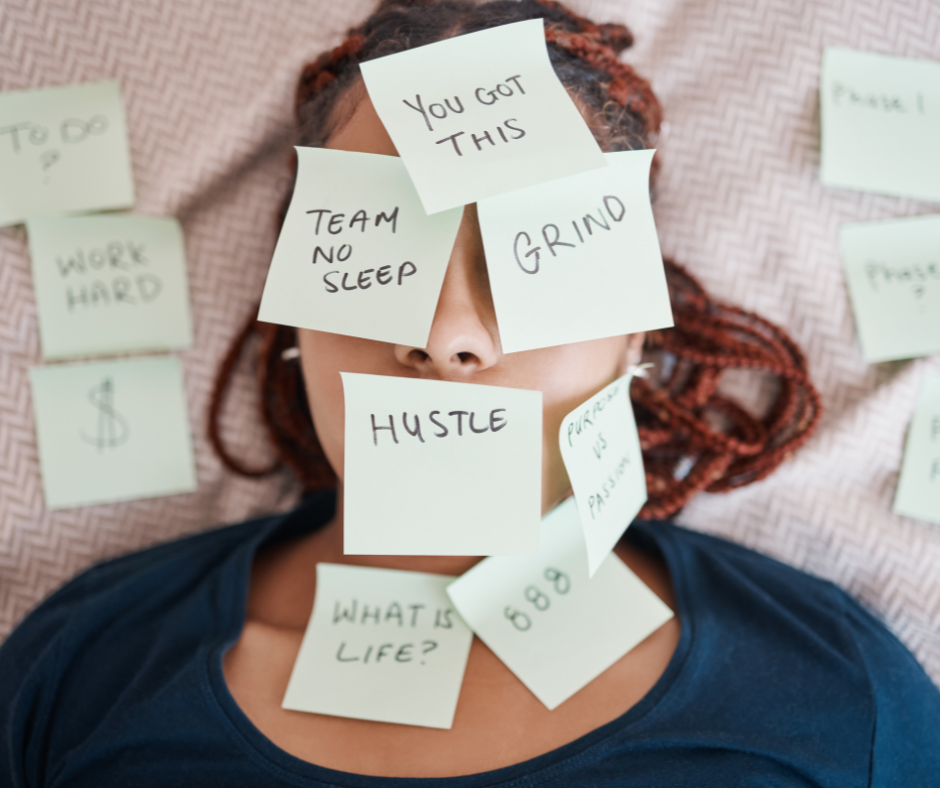
What Is Decision Fatigue?
Decision fatigue describes the mental exhaustion that can develop after making many decisions over an extended period of time.
It doesn't mean you've lost the ability to make good choices.
Instead, it means your brain has fewer cognitive resources available to evaluate options carefully.
As mental energy decreases, people often notice one of two patterns.
Some begin avoiding decisions altogether.
Others make impulsive decisions simply to move on.
Either response can make life feel more stressful than it actually is.
Why Does the Brain Get Tired of Making Decisions?
Our brains are remarkably efficient, but they aren't unlimited.
Every decision—whether it's choosing a meeting time or deciding what to cook—requires attention, evaluation, and self-control.
Research in cognitive psychology suggests that these mental processes draw from the same pool of cognitive resources throughout the day.
As those resources become strained, decision-making often becomes slower, more frustrating, and less intentional.
This is one reason why many people feel mentally exhausted after work, even if they haven't done physically demanding tasks.
Thinking is work.
And making decisions is one of the brain's most demanding jobs.
Decision Fatigue Shows Up in Everyday Life
Many people imagine decision fatigue only affects executives or emergency responders making high-pressure choices.
In reality, it often appears during ordinary moments.
You might notice it when you:
- Scroll through a streaming service for 30 minutes without choosing anything.
- Feel overwhelmed by a restaurant menu.
- Put off replying to emails because every response feels mentally demanding.
- Skip exercising because planning the workout feels exhausting.
- Buy something online simply because you don't want to keep comparing options.
These moments aren't signs of laziness.
They're often signs that your brain is running low on decision-making energy.
.png)
Why Modern Life Makes Decision Fatigue Worse
Compared with previous generations, we make significantly more decisions every day.
Technology has given us incredible convenience, but it's also created endless choices.
Think about ordering coffee.
Years ago, it may have been:
Coffee.
Or tea.
Today, you might choose:
- Size
- Milk
- Sweetener
- Flavour
- Temperature
- Espresso shots
- Foam
- Pickup or delivery
None of these decisions are difficult on their own.
But throughout the day, they accumulate.
The result is a brain that's constantly switching between options, priorities, and responsibilities.
Therapist Insight
Decision fatigue isn't a sign that you're disorganized or incapable—it often means your brain has been working hard all day.
Many people blame themselves for becoming indecisive or procrastinating in the evening. In reality, reducing unnecessary decisions and creating supportive routines can free up mental energy for the choices that matter most.
The Psychology Behind Decision Fatigue
Decision fatigue is closely connected to several psychological concepts.
Cognitive Load
Your brain can only process a certain amount of information at one time.
The more demands placed on your attention, the more mentally taxing each additional decision becomes.
Self-Control
Many decisions require resisting immediate impulses in favour of long-term goals.
As mental resources become depleted, maintaining self-control can feel increasingly difficult.
This helps explain why people are often more likely to order takeout, skip workouts, or spend impulsively after a stressful day.
Analysis Paralysis
Sometimes having more options doesn't increase satisfaction.
Instead, it creates uncertainty.
When there are too many choices, people may delay making any decision at all.
.png)
Signs You May Be Experiencing Decision Fatigue
Decision fatigue can look different from person to person, but common signs include:
- Feeling mentally exhausted by simple choices.
- Procrastinating because decisions feel overwhelming.
- Saying "I don't care" more often than usual.
- Making impulsive purchases or choices.
- Avoiding important decisions altogether.
- Feeling frustrated by too many options.
- Struggling to prioritize tasks.
Recognizing these patterns can help you respond with greater self-compassion instead of self-criticism.
How to Reduce Decision Fatigue
While it's impossible to eliminate decisions entirely, there are practical ways to reduce unnecessary mental strain.
Create Simple Routines
Repeating certain decisions—such as meal planning, workout schedules, or morning routines—reduces the number of choices your brain has to make.
Make Important Decisions Earlier
If possible, schedule significant conversations or complex decisions during times when your energy is highest.
Reduce Unnecessary Choices
Simplifying parts of your day can preserve mental energy for more meaningful decisions.
Take Mental Breaks
Short breaks throughout the day allow your brain to recover and improve focus.
Accept "Good Enough"
Not every decision requires extensive research.
Sometimes choosing a reasonable option is healthier than searching endlessly for the perfect one.
Decision Fatigue and Mental Health
Decision fatigue doesn't cause anxiety or burnout on its own, but it can make existing stress feel even more overwhelming.
When we're already coping with work demands, relationship challenges, financial concerns, or parenting responsibilities, even small decisions can feel disproportionately difficult.
Recognizing decision fatigue allows us to respond with curiosity instead of judgment.
Rather than asking,
"Why can't I make a simple decision?"
we can begin asking,
"How much mental energy have I already used today?"
That shift often changes the conversation from self-criticism to self-care.
The Psychology Behind It
Decision fatigue reflects the limits of our cognitive resources. Every decision requires attention, evaluation, and self-control. As those resources become depleted throughout the day, our brains naturally look for ways to conserve energy—sometimes by avoiding decisions, delaying them, or making quick, impulsive choices.
Understanding decision fatigue isn't about eliminating every choice. It's about recognizing that our mental energy is finite and creating routines, environments, and expectations that work with our brains rather than against them.
.png)
Frequently Asked Questions
What is decision fatigue?
Decision fatigue is the mental exhaustion that develops after making many decisions over an extended period of time. It can make even simple choices feel overwhelming.
Is decision fatigue real?
Yes. Psychologists have studied how repeated decision-making affects mental energy, attention, and self-control. While researchers continue to debate exactly how these processes work, many people recognize the practical effects of cognitive overload in daily life.
What are the signs of decision fatigue?
Common signs include procrastination, indecisiveness, impulsive choices, avoiding decisions, and feeling mentally exhausted by everyday tasks.
How can I reduce decision fatigue?
Creating routines, simplifying unnecessary choices, planning ahead, taking regular breaks, and making important decisions earlier in the day can all help reduce mental overload.
Can therapy help with decision fatigue?
Therapy can help identify the sources of chronic stress, perfectionism, anxiety, or overwhelm that may contribute to decision fatigue and support healthier coping strategies.
Book Your Free 15-Minute Discovery Call
If stress, anxiety, or feeling mentally overwhelmed is making everyday life more difficult, therapy can help.
At KMA Therapy, our therapists support individuals in understanding stress, improving emotional well-being, and building practical strategies that make daily life feel more manageable.
Book your free 15-minute discovery call today: https://www.kmatherapy.com/book-now


